Is a sit down forklift just a bigger version of the stand-up reach truck your crew already runs? No. Different drivetrain, different turning geometry, different job entirely.
A sit down forklift is a counterbalanced truck built for operators to ride seated, handling pallets from 3,000 to over 15,000 pounds depending on the model. It’s the workhorse for dock-to-storage moves, trailer loading, and yard work where stand-up trucks run out of muscle.
What A Sit Down Forklift Actually Does On The Floor
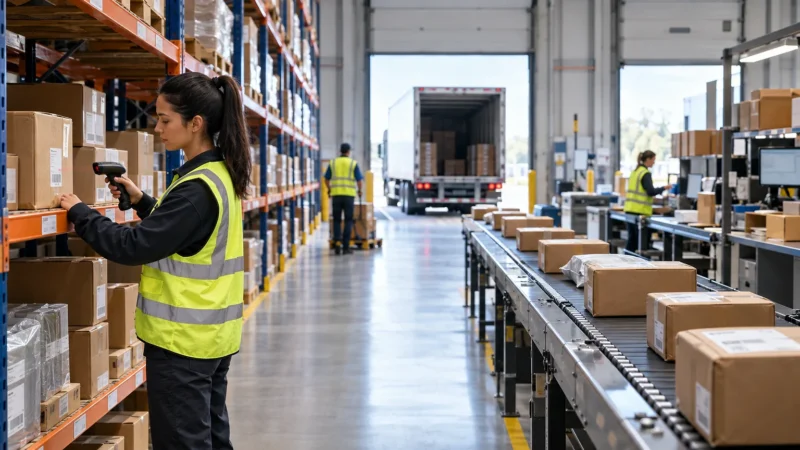
Walk any mid-size distribution center and you’ll find the sit down forklift parked near the dock doors. That’s not an accident.
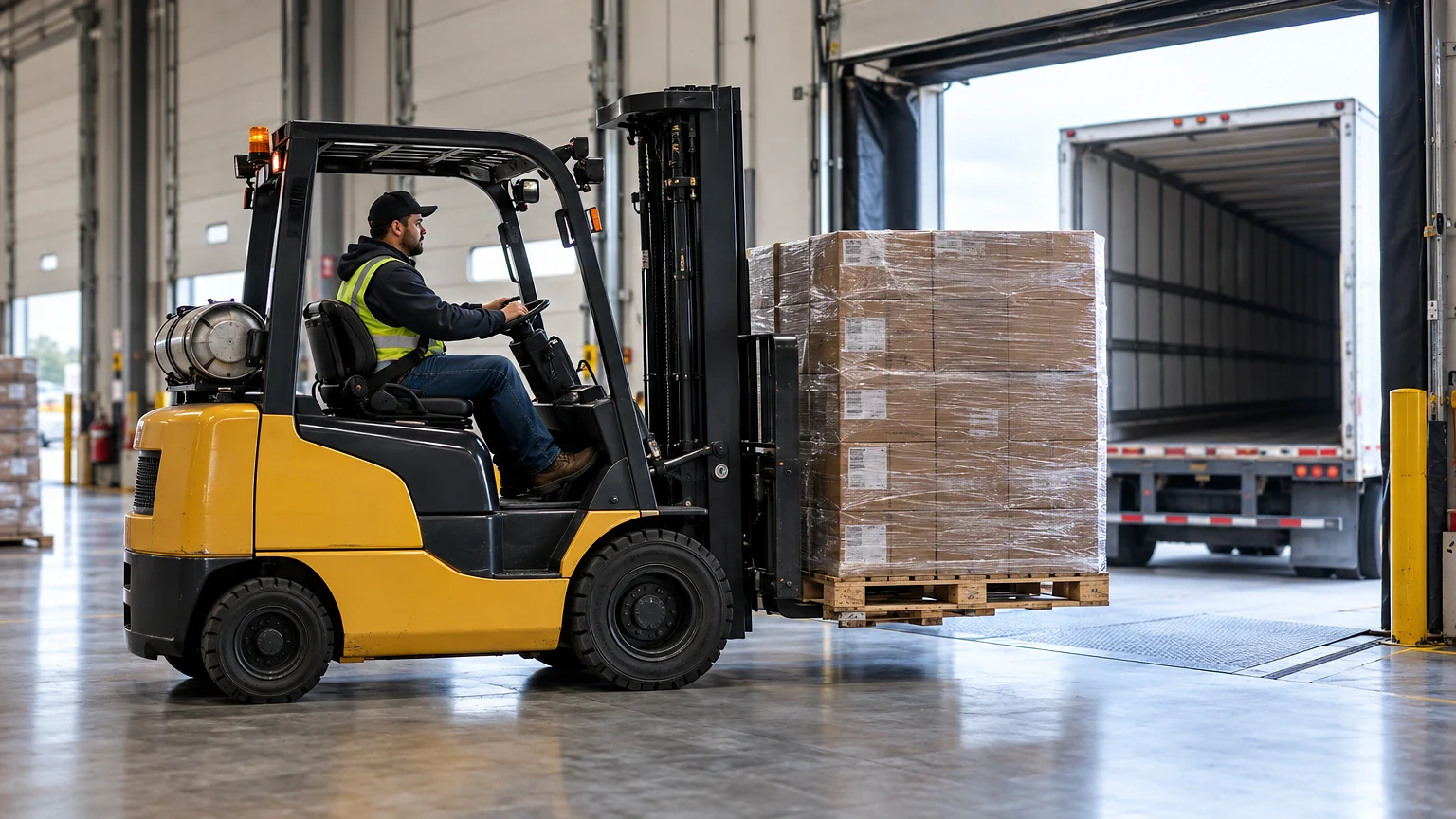
These trucks handle the heaviest, least predictable work: loading trailers, pulling full pallets off receiving, and moving oddly shaped freight that won’t fit a narrow-aisle truck’s profile. The seated position matters more than people assume. Operators running eight-hour shifts on dock plates and uneven yard pavement get less fatigue than they would standing in a reach truck cab.
Counterbalance is the defining feature. The truck carries weight at the rear to offset the load on the forks, which means no outriggers, no stabilizing legs. That design lets it drive on rough surfaces and even outdoors, something a stand-up truck restricted to smooth warehouse floors can’t do.
Picture a grocery distribution center running 40 trailers a day. Every one of those trailers gets loaded by a sit down forklift because it’s the only truck on the floor rated for sustained dock-to-trailer ramp work at full capacity.
Capacity Classes And What They Mean For Your Racking
Capacity ratings on a sit down forklift aren’t marketing numbers. They’re load-center specific, usually rated at a 24-inch load center, and they drop fast as you move the load’s center of gravity forward.
A standard cushion-tire sit down forklift runs 3,000 to 6,000 pounds. Pneumatic-tire models built for outdoor and yard use often run 5,000 to 15,000 pounds, with heavy-duty container handlers pushing past 30,000 pounds for port and lumber yard work.
Here’s where ops managers get burned: they size the truck to the pallet weight and forget to check the racking. A truck rated for 6,000 pounds can still overload a pallet rack if the rack’s beam capacity is 2,500 pounds per level and someone double-stacks. Cross-check your truck’s capacity plate against your Rite-Hite or racking manufacturer’s load tag before you approve any new SKU for top-level storage.
Mast height matters just as much. Triple-stage masts on sit down forklifts commonly reach 20 to 24 feet of lift height, but visibility drops as you go higher. Crews running reach above 18 feet should pair the truck with a camera system or have a spotter during peak receiving hours.
Choosing Between Cushion And Pneumatic Tires
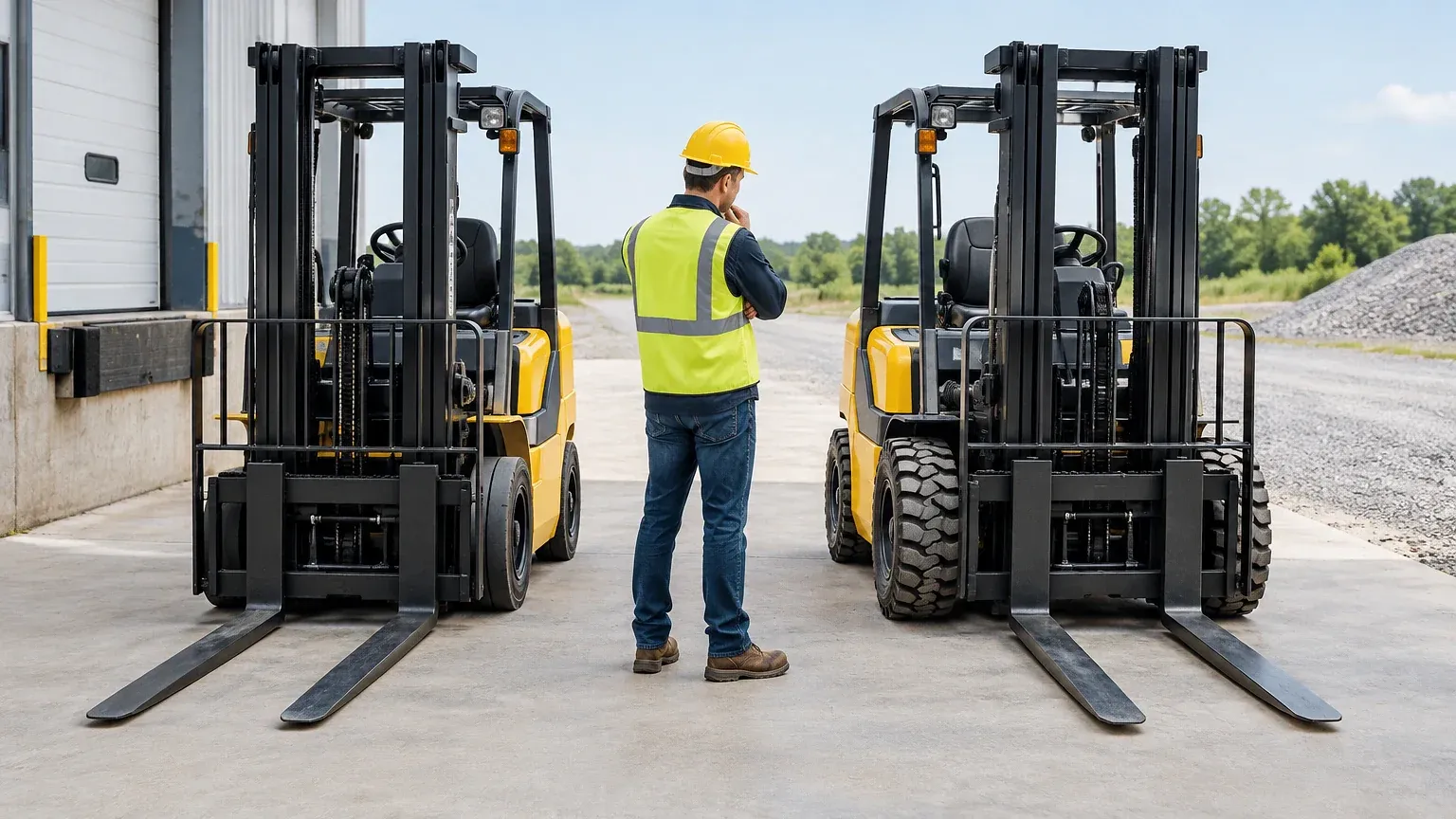
Option A: Cushion Tire
Cushion tire sit down forklifts run solid rubber tires molded directly onto the wheel. They sit lower to the ground, which gives you a tighter turning radius and better stability indoors.
These trucks belong on finished concrete, inside the four walls. Dock work, trailer loading from a level dock, and narrow-aisle general warehouse work all suit cushion tires well. They’re also usually cheaper to maintain since there’s no tire pressure to manage and no risk of punctures from debris.
The tradeoff is ground clearance. Cushion tire trucks struggle with potholes, gravel, or any yard surface that isn’t paved and swept.
Option B: Pneumatic Tire
Pneumatic tire sit down forklifts use air-filled or solid-fill rubber tires with deeper tread, similar in concept to a truck tire. Ground clearance is higher, ride quality is softer on rough surfaces.
Yards push that further still. Our guide to the rough terrain forklift covers the tyres, frames and gradients these machines handle. Choose one when the ground stops being flat and sealed.
Choose pneumatic when your operators spend real time outdoors: yard moves, loading flatbeds parked off the dock, lumber yards, or any site with gravel or broken asphalt. Propane and diesel models dominate this category because electric range takes a hit outdoors, especially in cold climates.
If your operation splits time between indoor dock work and outdoor yard runs, don’t try to make one cushion tire truck do both jobs. That’s how you end up with blown tires and a maintenance ticket every other week.
Six Signs You Need A Sit Down Forklift Over A Stand-Up Truck
Not every warehouse needs this truck. Here’s how to tell when it’s the right call.
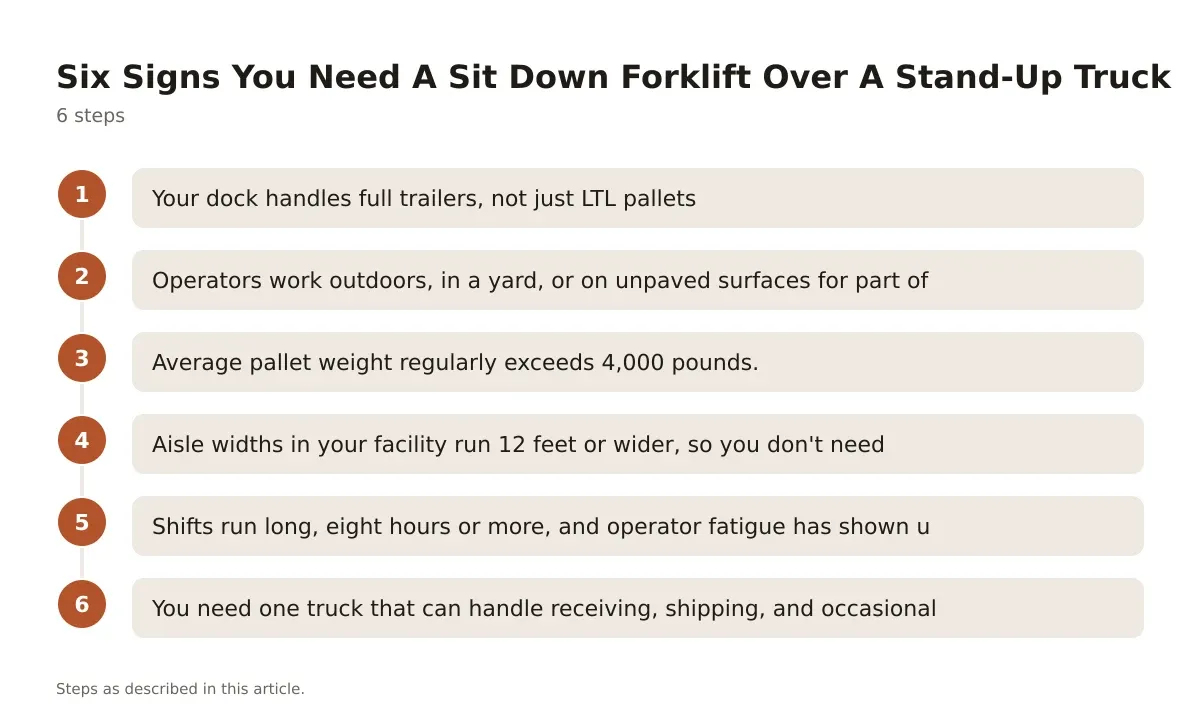
- Your dock handles full trailers, not just LTL pallets. Full trailer loading needs the reach and capacity a sit down forklift provides.
- Operators work outdoors, in a yard, or on unpaved surfaces for part of their shift.
- Average pallet weight regularly exceeds 4,000 pounds.
- Aisle widths in your facility run 12 feet or wider, so you don’t need the tight-turning advantage of a stand up forklift.
- Shifts run long, eight hours or more, and operator fatigue has shown up as a complaint or an incident report.
- You need one truck that can handle receiving, shipping, and occasional yard work without swapping equipment.
If you checked three or more of those, a sit down forklift is probably already overdue on your floor.
Electric, Propane, Or Diesel: Picking The Power Source
Fuel And Power Tradeoffs
Electric sit down forklifts have closed the gap on power in the last several years. Lithium-ion models now match propane trucks on runtime for most single-shift operations, and they run cleaner, which matters if you’re loading trailers inside an enclosed dock area with poor ventilation.
Propane still wins on flexibility. Swap a tank in under five minutes and you’re back on the floor, no waiting on a charger. For multi-shift operations without opportunity-charging infrastructure, propane remains the simpler choice operationally, even if fuel cost per hour runs higher than electric.
Diesel shows up almost exclusively in outdoor, heavy-capacity applications, lumber yards, ports, construction material handling, where emissions rules are looser and torque at high capacity matters more than noise or fumes.
If you’re already leaning electric across your fleet, it’s worth reading through a full electric forklift comparison before locking in a sit down model, since battery chemistry and charging infrastructure decisions affect the whole fleet, not just one truck class.
Maintenance, Inspection, And The Costs Nobody Budgets For
A sit down forklift takes more abuse than a stand-up truck simply because it works the dock and the yard. That shows up in your maintenance line.
Daily pre-shift inspection should cover forks for cracks, mast chains for stretch, hydraulic lines for leaks, and tire condition, solid or pneumatic. OSHA requires this documented inspection under its powered industrial truck standard, and skipping it is one of the fastest ways to fail an audit.
Hydraulic fluid and filter changes typically run every 500 to 1,000 hours depending on duty cycle. Mast chains need lubrication weekly in dusty environments, monthly in cleaner facilities. Tire replacement interval depends heavily on surface, cushion tires on smooth concrete can last two to three years, while pneumatic tires in a rough yard might need replacement annually.
Budget for the real cost driver: operator damage to racking and dock equipment from misjudged clearances. A single rack upright strike can cost more in downtime and repair than a year of routine maintenance combined. Good training programs and visible load charts posted in the cab cut that risk more than any mechanical upgrade will.
Getting The Most Out Of Your Sit Down Fleet
The sit down forklift earns its place by doing the heavy, outdoor, and dock-adjacent work that other equipment classes can’t touch safely. It’s not the most maneuverable truck in your fleet, and it’s not meant to be.
Size the capacity to your heaviest routine pallet, not your average one. Match tire type to the actual surface your operators cross every shift, not just the warehouse floor. And don’t let maintenance slide just because the truck seems tougher than a reach truck, it isn’t immune to wear, it just hides it longer.
Get those three decisions right, capacity, tire type, and maintenance discipline, and a sit down forklift will outlast its depreciation schedule while keeping your dock moving at the pace your pick rates demand.
Frequently asked questions
What is a sit down forklift used for?
A sit down forklift handles counterbalanced lifting where operators need to sit while driving. Common uses include trailer loading, receiving dock work, yard moves, and transporting heavy pallets between storage and shipping areas. It’s built for sustained, heavier-duty work compared to narrow-aisle equipment.
How much weight can a sit down forklift lift?
Capacity ranges from about 3,000 pounds on smaller cushion-tire models up to 15,000 pounds or more on pneumatic-tire and heavy-duty versions. Always check the capacity plate against your actual load center, since rated capacity drops as the load moves farther from the mast.
Is a sit down forklift better than a stand-up forklift?
Neither is universally better. A sit down forklift suits heavier loads, outdoor work, and dock duty, while a stand-up forklift wins on tight aisle maneuverability and operator in-and-out speed for high-frequency picking. Most multi-function warehouses run both.
Can a sit down forklift be used outdoors?
Yes, if it’s equipped with pneumatic tires. Cushion-tire sit down forklifts are built for smooth indoor concrete and struggle on gravel, potholes, or uneven yard surfaces. Matching tire type to the work surface avoids premature tire wear and stability issues.
How often does a sit down forklift need maintenance?
Daily pre-shift inspections are required under OSHA’s powered industrial truck rules, covering forks, mast chains, hydraulics, and tires. Scheduled service like hydraulic fluid changes typically falls every 500 to 1,000 operating hours, with tire replacement timing driven mostly by surface conditions and duty cycle.